If you’re searching for a premium countertop material that combines beauty and durability, Taj Mahal Quartzite is one of the top choices available today. Known for its soft, elegant appearance and strong performance, it has become increasingly popular in modern homes and luxury interiors.
What makes it stand out is its ability to mimic the look of marble while offering greater strength and easier maintenance. In this guide, you’ll learn everything you need to know—from its features and uses to cost and care so you can decide if it’s the right fit for your space.
What Is Taj Mahal Quartzite?
Taj Mahal Quartzite is a natural stone formed from sandstone that has undergone intense heat and pressure over time. This process transforms it into a dense and durable material known as quartzite.
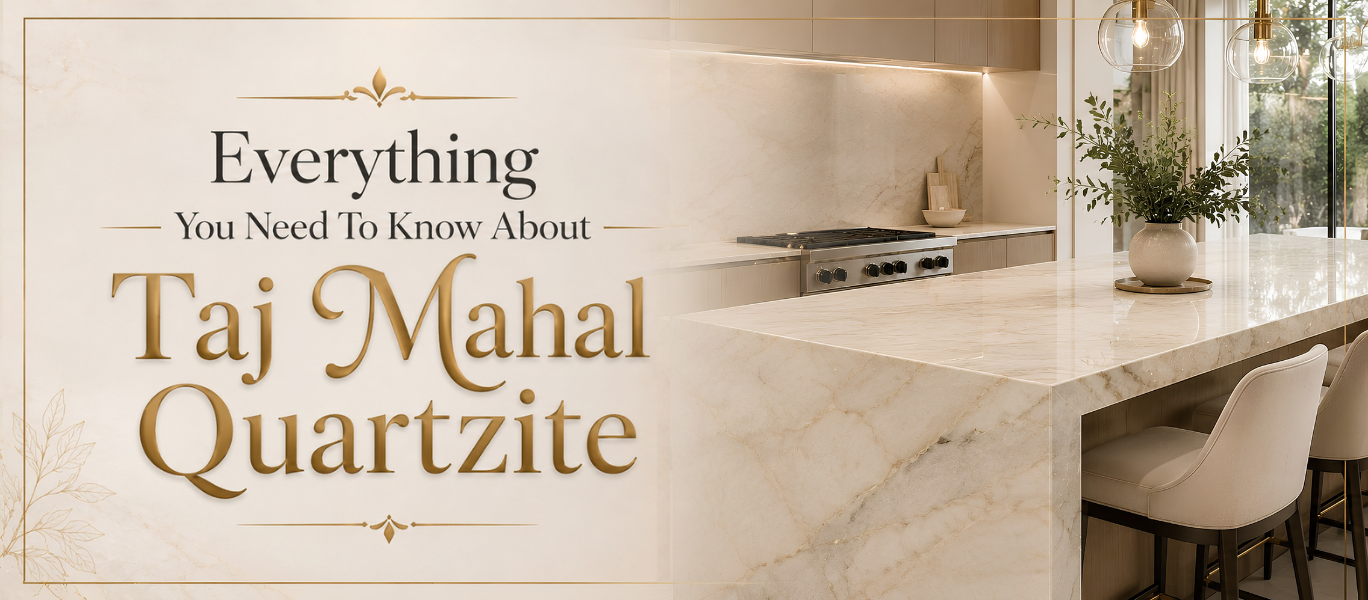
Primarily sourced from Brazil, this stone is loved for its creamy white base with subtle beige and gold veining. The name “Taj Mahal” comes from its resemblance to the soft, timeless tones associated with the iconic monument.
Unlike engineered quartz, Taj Mahal Quartzite is completely natural. Each slab is unique, which means no two countertops will look exactly the same.
Key Features of Taj Mahal Quartzite
Taj Mahal Quartzite is valued for both its visual appeal and performance. Here are its main features:
- Elegant appearance: Neutral tones that complement a wide range of interior styles
- High durability: Stronger than many natural stones, making it ideal for daily use
- Heat resistance: Can handle hot cookware without damage
- Scratch resistance: Holds up well against wear and tear
- Lower maintenance than marble: Easier to care for while still offering a luxurious look
These qualities make it a practical yet stylish choice for homeowners.
Taj Mahal Quartzite vs Marble vs Granite
When choosing a natural stone, it’s helpful to understand how Taj Mahal Quartzite compares to other popular options:
- Appearance:
Quartzite closely resembles marble with soft veining and light colors, while granite often has a more textured and speckled look. - Durability:
Quartzite is tougher than marble and comparable to granite, making it suitable for high-use areas like kitchens. - Maintenance:
Marble requires more upkeep and is prone to staining. Quartzite is easier to maintain when sealed properly. - Cost:
Taj Mahal Quartzite is typically priced in the premium range, similar to high-end marble and granite.
For those who want marble aesthetics without the extra maintenance, quartzite is often the better option.
Popular Uses in Interior Design
Taj Mahal Quartzite is highly versatile and can be used in various parts of the home:
- Kitchen countertops: Durable enough for cooking and food preparation
- Bathroom vanities: Adds a clean and calming aesthetic
- Backsplashes: Creates a seamless and elegant look
- Flooring: Suitable for upscale interiors
- Feature walls: Makes a subtle yet luxurious statement
Its neutral tones allow it to blend effortlessly with both modern and classic designs.
Pros and Cons of Taj Mahal Quartzite
Pros
- Marble-like elegance
- Strong and long-lasting
- Suitable for high-traffic areas
- Adds value to your home
Cons
- Higher cost compared to some materials
- Requires sealing for protection
- Natural variations may not suit those wanting uniform patterns
Cost of Taj Mahal Quartzite
The cost of Taj Mahal Quartzite varies depending on several important factors, including quality, slab thickness, design pattern, and installation requirements.
Key factors that influence cost include:
- Quality and rarity of the slab
- Size and thickness of the material
- Fabrication and installation charges
- Location and availability in your area
Because each slab is natural and unique, pricing can differ significantly from project to project. While it is considered a premium material, many homeowners find it a worthwhile investment due to its durability, long lifespan, and timeless aesthetic appeal.
Maintenance and Care Tips
Maintaining Taj Mahal Quartzite is simple with the right approach:
- Seal the surface periodically to prevent stains
- Clean daily using mild soap and water
- Avoid harsh chemicals or abrasive cleaners
- Wipe spills quickly, especially oils and acidic substances
With proper care, the stone can retain its beauty for many years.
Is Taj Mahal Quartzite Worth It?
Taj Mahal Quartzite is an excellent choice for those who want a balance of luxury and practicality. It works especially well for:
- Busy kitchens that need durable surfaces
- Homeowners who prefer a marble-like look
- High-end or modern interior designs
However, if you are on a tight budget or prefer a completely maintenance-free option, you may want to explore alternatives.
Conclusion
Taj Mahal Quartzite is a premium natural stone that combines the elegance of marble with the durability of granite. Its soft, neutral tones and long-lasting performance make it a favorite among homeowners and designers alike. At Quality Granite & Marble, you can find high-quality Taj Mahal Quartzite that matches both style and performance needs.
If you’re planning to upgrade your interiors with a material that offers both beauty and strength, Taj Mahal Quartzite is definitely worth considering.
FAQ
1. What is Taj Mahal Quartzite?
Taj Mahal Quartzite is a natural stone formed from sandstone under heat and pressure. It features soft beige and white tones, offering a marble-like appearance with superior strength and durability.
2. How is Taj Mahal Quartzite different from marble?
Taj Mahal Quartzite is harder and more durable than marble. While both look similar, quartzite resists scratches and stains better, making it easier to maintain in high-use areas like kitchens.
3. Does Taj Mahal Quartzite need sealing?
Yes, sealing is recommended to protect the surface from stains and moisture absorption. Regular sealing helps maintain its appearance and ensures long-lasting performance in kitchens and bathrooms.
4. What is the color of Taj Mahal Quartzite?
It typically has a creamy white or soft beige base with subtle gold or light brown veining. This neutral color makes it suitable for both modern and traditional interior designs.
5. Is Taj Mahal Quartzite easy to maintain?
Yes, it is relatively easy to maintain with regular cleaning using mild soap and water. Avoid harsh chemicals and ensure periodic sealing to keep the surface protected and looking new.