A bathroom should be more than a functional space. The right combination of fixtures, storage, surfaces, and lighting can make the room feel comfortable and well planned. One of the most noticeable elements is the sink and vanity area, which often sets the tone for the rest of the bathroom.
Choosing the right bath and vanity sink involves more than selecting a style that looks good. Size, material, installation type, storage needs, countertop space, and the overall bathroom layout should all be considered before making a decision.
Whether you are updating a compact bathroom or designing a spacious primary suite, a carefully planned sink and vanity can improve both the appearance and everyday usability of the room.
Why the Sink and Vanity Matter in a Bathroom
The vanity area is usually one of the first things people notice when entering a bathroom. It also receives regular use, so appearance and functionality need to work together.
Creates a Visual Focal Point
A well-designed vanity can become a central feature of the bathroom. A simple cabinet paired with a clean countertop and appropriately sized sink can create a modern and organized appearance.
For a more distinctive look, homeowners can choose a statement countertop, contrasting cabinet finish, or a sink style that complements the room.
Provides Everyday Storage
Bathroom storage is another important consideration. Vanity cabinets can provide space for towels, toiletries, cleaning products, and everyday personal items.
In smaller bathrooms, making efficient use of the available cabinet space can help keep the countertop clear and the room organized.
Supports Daily Functionality
A sink should be comfortable to use and positioned appropriately within the available space. The height of the vanity, countertop area, faucet placement, and surrounding clearance can all influence the everyday experience.
Planning these details before installation can help prevent problems later.
Popular Bathroom and Vanity Sink Styles
There are several sink styles available, and each can create a different visual effect.
Undermount Sinks
An undermount sink is installed beneath the countertop. This creates a clean transition between the countertop and basin and can make wiping the surface easier.
This style works particularly well with solid-surface or natural-stone countertops.
Vessel Sinks
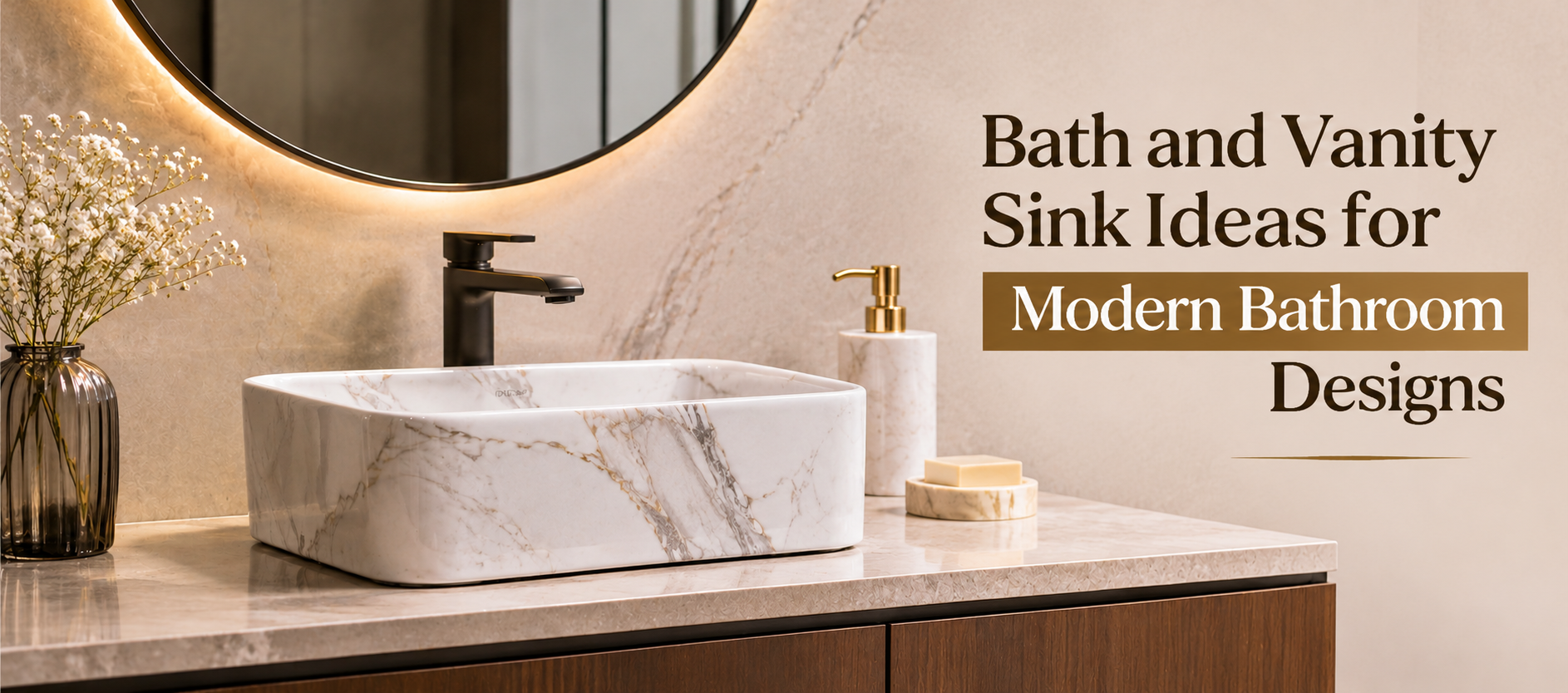
Vessel sinks sit above the countertop and can create a more noticeable design feature. They are available in different shapes and materials, making them suitable for contemporary and decorative bathroom designs.
Because the sink sits higher than an undermount basin, vanity height should be considered carefully.
Drop-In Sinks
Drop-in sinks are installed into an opening in the countertop, with the rim sitting above the surface. They can be used in a range of bathroom layouts and are available in different shapes and sizes.
Integrated Sinks
An integrated sink is designed as part of the countertop itself. This can create a streamlined appearance with fewer visible transitions between the basin and counter.
Key Factors to Consider
Choosing a sink and vanity should begin with the bathroom itself rather than the fixture alone.
Bathroom Size
Measure the available wall and floor space before selecting the vanity. A large vanity may provide additional storage, but it can make a compact bathroom feel crowded.
For smaller rooms, a narrower vanity or wall-mounted design may provide a better balance between storage and open floor space.
Countertop Space
Think about how much surface area you need around the sink. If you regularly use cosmetics, toiletries, or grooming products, additional counter space may be useful.
In guest bathrooms, a smaller surface may be sufficient.
Vanity Storage
Consider what you actually need to store. Drawers can be convenient for smaller items, while larger cabinet compartments can accommodate bottles, towels, and other supplies.
Choosing storage based on your routine can make the vanity more practical.
Material Selection
The countertop material can influence the overall look of the bathroom. Natural stone, engineered surfaces, porcelain, and other materials can be paired with different vanity styles.
When selecting a material, consider appearance, maintenance, moisture exposure, and the overall design of the space.
Practical Design Ideas for Modern Bathrooms
A modern bathroom does not necessarily need to be complicated. Clean lines, practical storage, and coordinated materials can create a polished result.
Here are some ideas to consider:
- Pair a simple vanity with a clean countertop.
- Use neutral colors for a timeless appearance.
- Consider wall-mounted vanities for smaller spaces.
- Coordinate the faucet finish with other bathroom hardware.
- Use lighting around the mirror for better visibility.
- Keep enough counter space for everyday essentials.
- Choose storage based on the household’s needs.
- Match the vanity style with the bathroom’s flooring and wall finishes.
For a larger bathroom, a double-sink vanity can provide separate washing areas for two people. For a smaller bathroom, a single-sink vanity can make better use of the available space.
Coordinating the Vanity With the Rest of the Bathroom
A successful bathroom design usually feels cohesive because the major elements work together.
For example, a light-colored vanity can be paired with a natural stone countertop and neutral wall tiles. Alternatively, darker cabinetry can create contrast against a lighter countertop.
The mirror should also be considered during planning. Its width, shape, and position can influence how the entire vanity wall looks.
Lighting is equally important. Proper lighting around the vanity can improve visibility while also highlighting the materials and finishes selected for the bathroom.
How Quality Granite USA Can Fit Into Your Design Planning
When selecting materials for a bathroom renovation, it is useful to consider how the countertop will work with the sink and vanity. Quality Granite USA can be part of the research process for homeowners exploring natural stone and countertop options.
A countertop should be selected according to the specific bathroom layout, vanity dimensions, sink style, and desired appearance. For example, an undermount sink may create a particularly clean look when paired with an appropriately fabricated stone countertop.
Before finalizing the material, homeowners should consider the slab’s color, pattern, finish, maintenance requirements, and how it will coordinate with the rest of the bathroom.
This project-specific approach can help create a vanity area that looks intentional while remaining practical for everyday use.
Frequently Asked Questions
What type of sink is best for a modern bathroom?
There is no single option for every bathroom. Undermount, vessel, drop-in, and integrated sinks can all work depending on the room size, countertop, vanity, and desired design.
How do I choose the right vanity size?
Measure the available wall and floor space first. Then consider how much storage and countertop area you need for everyday use.
Are vessel sinks practical?
Vessel sinks can be practical, but vanity height should be planned carefully because the basin sits above the countertop.
What countertop works well with a vanity sink?
Natural stone, engineered surfaces, porcelain, and other countertop materials can work with vanity sinks. The choice depends on appearance, maintenance, budget, and project requirements.
Should the sink match the bathtub?
The sink does not have to exactly match the bathtub. However, coordinating colors, finishes, and overall design style can help the bathroom feel more cohesive.
Is a wall-mounted vanity suitable for a small bathroom?
A wall-mounted vanity can be useful in smaller bathrooms because it can create more visible floor space. The available plumbing and wall structure should be considered before installation.
Conclusion
A thoughtfully designed vanity area can make a major difference in the look and functionality of a bathroom. The right bath and vanity sink should complement the room while providing practical access to storage, countertop space, and everyday functionality.
Before making a final decision, consider the bathroom’s dimensions, vanity size, sink style, countertop material, storage requirements, lighting, and overall design. Taking these factors into account can help create a bathroom that feels both modern and comfortable.
For homeowners researching countertop materials for their bathroom projects, Quality Granite USA can be considered as part of the process of exploring natural stone and other surface options.