Introduction
A countertop can set the tone for an entire kitchen. It is one of the first surfaces people notice, but it is also one of the hardest-working parts of the room.
For homeowners researching quartz slabs in Atlanta, the number of colors and patterns available can be exciting and overwhelming at the same time. White quartz, gray tones, marble-inspired designs, warm neutrals, and bold veining all create different effects.
The best choice starts with the kitchen itself.
Why Quartz Is Popular
Quartz is an engineered countertop material made using natural quartz crystals, resin, and pigments. The manufacturing process allows manufacturers to create consistent colors and patterns.
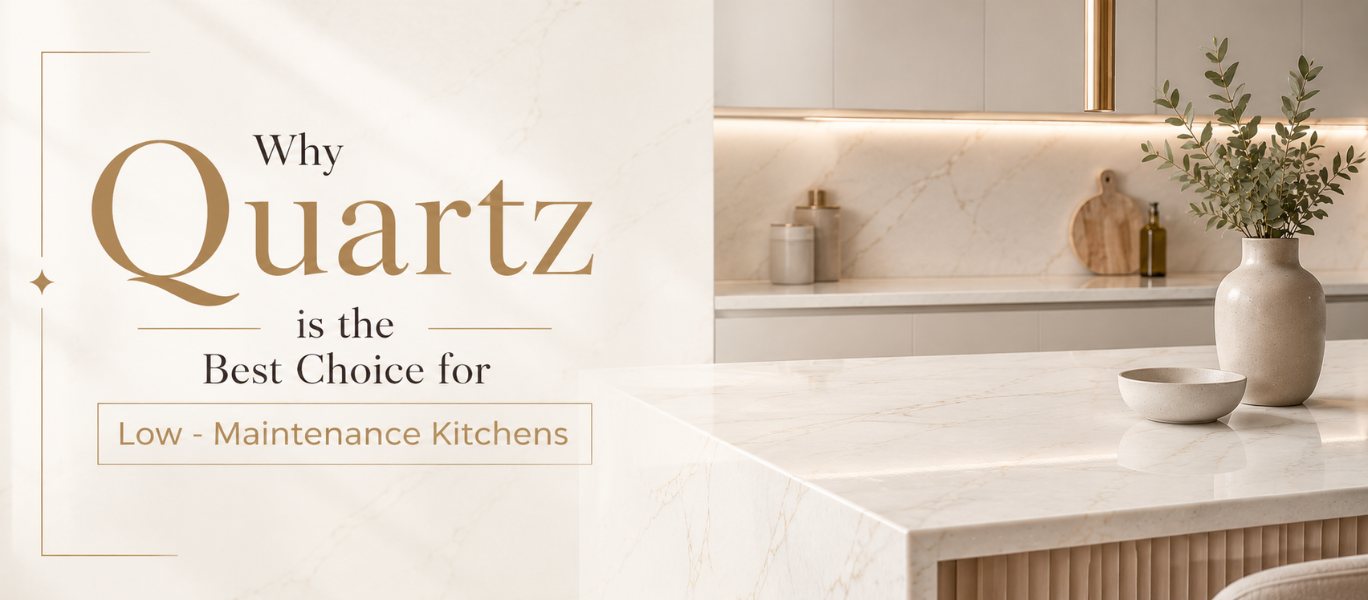
Quartz is also non-porous, which makes it a popular option for kitchens and bathrooms where spills and regular cleaning are part of daily life. Its combination of design flexibility and relatively simple maintenance makes it suitable for many residential and commercial spaces.
Start With Your Cabinets
Before choosing a quartz slab, look at the cabinets. Cabinet color is one of the easiest ways to narrow down your options.
White or light cabinets can work with soft gray, white, beige, or darker quartz depending on the amount of contrast you want. Dark cabinetry often works well with lighter quartz because the countertop helps keep the room from feeling too heavy.
Wood cabinets can pair nicely with warm neutrals or stone-inspired designs.
Understanding Quartz Countertop Colors
Quartz countertop colors range from simple solid shades to detailed patterns designed to resemble natural marble and stone.
White can create a bright and clean appearance. Gray can add a cooler, contemporary feel. Beige and warmer tones can make a kitchen feel more comfortable.
If you want the countertop to become a focal point, a veined design can add movement without requiring additional decorative elements.
Simple or Dramatic?
One useful question is whether you want the countertop to blend into the kitchen or stand out.
A simple quartz design can work well when the kitchen already has patterned flooring, detailed cabinets, or a busy backsplash. A dramatic design may be more effective when the rest of the room is relatively simple.
The goal is balance. You want the countertop to add character without making the room feel visually crowded.
Look at the Full Slab
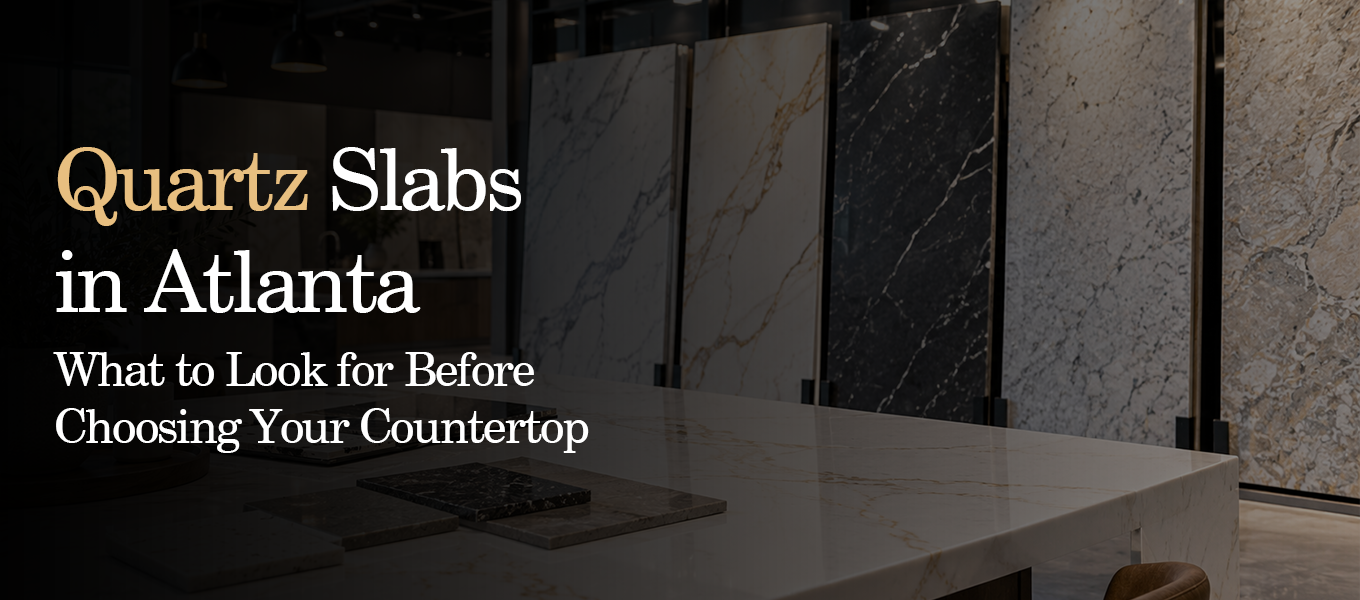
A small sample is useful for creating a shortlist, but it cannot always show the scale of a quartz pattern. Seeing the full slab helps you understand the background color, veining, movement, and overall appearance.
This becomes especially important for custom quartz countertops. The fabricator needs to plan how the slab will be cut so that the most attractive parts of the pattern are used effectively.
If you have a large island, look carefully at how the design will run across the full surface.
Consider the Kitchen Island
Kitchen islands often become the visual center of the room. If your island is large, decide whether you want it to blend with the perimeter counters or become a feature.
A dramatic quartz can make an island stand out. A waterfall edge can extend the design down the sides and create a more finished appearance.
These details should be discussed before fabrication because slab layout and cuts affect the final result.
Maintenance and Everyday Use
One reason homeowners choose quartz is convenience. Its non-porous surface is designed to resist everyday staining and is generally easy to clean.
Even low-maintenance surfaces should be cared for correctly. Use appropriate cleaning products and avoid harsh chemicals or abrasive materials that may affect the finish.
Following the care instructions provided for your particular quartz product is the best way to protect the surface over time.
Fabrication and Installation
The slab you see in a showroom still needs to be measured, cut, finished, and installed. Fabrication may include sink and cooktop openings, edge profiles, seams, and special island details.
Accurate measurements are essential. Cabinet placement, wall conditions, appliance locations, and sink specifications should all be confirmed before production.
Professional fabrication and installation help turn a good slab selection into a finished countertop that fits the room properly.
Final Thoughts
Choosing quartz slabs in Atlanta is about more than picking a color you like. Look at the entire kitchen, including cabinets, backsplash, flooring, lighting, and hardware.
Decide whether you prefer subtle or dramatic movement, view the actual slab when possible, and discuss fabrication before making the final choice.
A well-selected quartz surface can give your kitchen a polished appearance while providing a practical countertop for everyday use.